
Urban Flooding in Pakistan: Monsoon Rains, Climate Change, and the Growing Flood Risk in Karachi and Lahore
Learn how monsoon rains, climate change, and urban flooding in Pakistan are affecting Karachi and Lahore residents. Discover flood risks, prevention tips, and how to protect your home during heavy rainfall and flash floods in Pakistan.
KARACHI FLOODS
3/8/20266 min read
Urban Flooding in Pakistan: Monsoon Rains, Climate Change, and the Growing Flood Risk in Karachi and Lahore
Every year, the monsoon season in Pakistan brings a mix of relief and concern. While rainfall is essential for agriculture and water resources, it has also become a major challenge for urban areas. In cities like Karachi and Lahore, heavy rains frequently lead to urban flooding, road blockages, damaged homes, and disrupted daily life.
Over the last decade, the intensity of monsoon rains in Pakistan has increased significantly. Many residents now experience sudden flash floods, overflowing drains, and water entering homes within minutes. This growing problem is closely linked to climate change in Pakistan, rapid urban expansion, and inadequate drainage systems.
For millions of people living in major cities, flood preparedness is becoming an essential part of life during the monsoon season.
Understanding Urban Flooding in Pakistan
Urban flooding occurs when rainfall exceeds the capacity of drainage systems in cities. Unlike river flooding, urban floods happen quickly and can affect residential streets, markets, and homes within minutes.
Cities like Karachi and Lahore are particularly vulnerable because of their dense population, expanding infrastructure, and aging drainage systems.
When heavy rainfall occurs during the Pakistan monsoon season, several factors contribute to flooding:
Blocked stormwater drains
Rapid urban development without proper drainage planning
Low-lying residential areas
Construction that reduces natural water absorption
Sudden intense rainfall due to climate change
In many neighborhoods, water begins accumulating on roads and sidewalks within a short time. If the rain continues for hours, the water level can rise high enough to enter houses through gates, doors, and garages.
This is why urban flooding is now considered one of the most common environmental challenges in Pakistan’s major cities.
Karachi Flooding: A Growing Urban Crisis
Karachi, Pakistan’s largest city and economic hub, experiences some of the most severe urban flooding during monsoon rains.
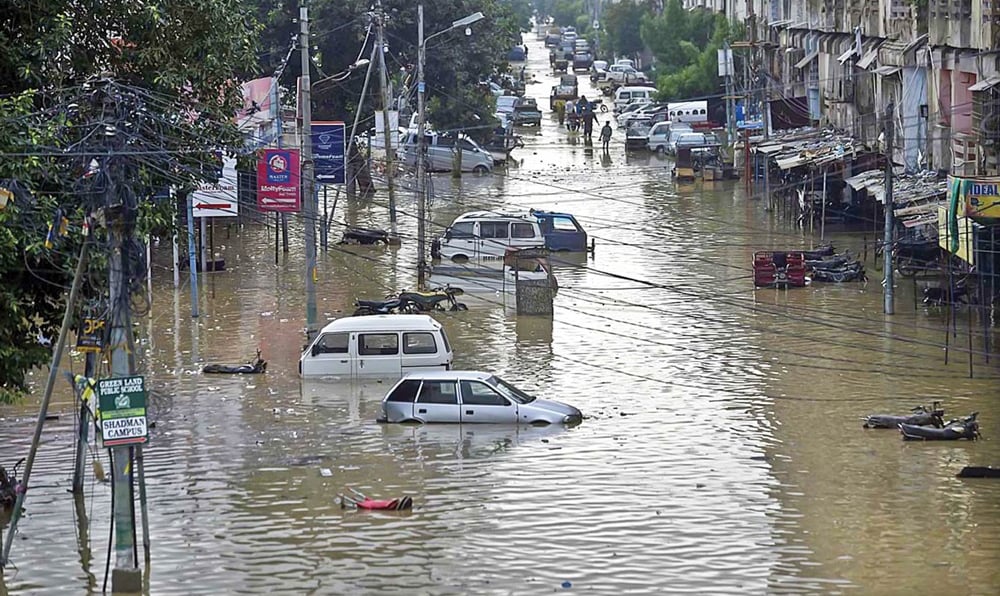
Heavy rainfall often overwhelms the city’s drainage infrastructure, causing streets to flood rapidly. Many areas experience water accumulation that can take hours—or even days—to drain.
Common problems during Karachi flooding include:
Roads becoming impassable
Vehicles stranded in water
Homes flooded with rainwater
Power outages in residential areas
Damage to household furniture and electronics
Low-lying neighbourhoods and older parts of the city are especially vulnerable. Even moderate rainfall can lead to water accumulation when drains are clogged or unable to handle large volumes of rainwater.
Residents have become increasingly aware that preparing homes before the monsoon season is crucial to minimize damage.
Lahore Flooding and Heavy Monsoon Rain
Lahore, another major metropolitan city in Pakistan, also experiences severe flooding during heavy monsoon rains.
Although the city has modern infrastructure in many areas, intense rainfall can still overwhelm drainage systems. Streets and residential areas can quickly fill with water when rainfall continues for several hours.
Common challenges during Lahore monsoon rains include:
Flooded roads and underpasses
Traffic disruptions across the city
Water entering homes and shops
Damage to property and vehicles
Difficulty accessing essential services
In recent years, extreme rainfall events in Lahore have become more frequent. Climate experts believe that this pattern will continue as global climate change alters rainfall intensity and weather patterns across South Asia.
For homeowners, the key concern remains preventing water from entering their houses during sudden heavy rainfall.
Climate Change and Pakistan’s Increasing Rainfall
Pakistan is considered one of the countries most vulnerable to climate change impacts. Rising global temperatures are affecting rainfall patterns, leading to:
Stronger monsoon storms
Sudden flash floods
Irregular rainfall distribution
Longer and more intense rain spells
These changes are already visible in cities like Karachi and Lahore. What used to be occasional heavy rain events are now becoming frequent and unpredictable storms.
Climate scientists warn that urban flooding will likely increase in the coming years, especially in rapidly growing cities with limited drainage capacity.
This means residents must adapt and prepare for more frequent extreme weather conditions.
Why Urban Flooding Is Dangerous for Homes
Many people think flooding only affects roads and public infrastructure, but homes are often the most vulnerable during heavy rainfall.
Water entering a house can cause serious problems such as:
Damage to furniture and flooring
Electrical hazards and short circuits
Mold and damp walls
Structural damage to property
Expensive repair costs
Even a small amount of floodwater can lead to significant financial loss for homeowners.
In Pakistan’s urban areas, floodwater typically enters houses through:
Main gates
Garage entrances
Doorways
Low boundary walls
Because rainfall can become intense within minutes, homeowners often have very little time to react once flooding begins.
How Residents Are Preparing for Monsoon Flooding
As urban flooding becomes more common, residents across Pakistan are actively searching for effective flood protection solutions for homes.
People are now focusing on quick, practical methods to stop water before it enters their property.
Some of the most common preparation strategies include:
1. Clearing Drains and Gutters
Before the monsoon season begins, many homeowners ensure that nearby drains and gutters are clear of debris. This helps improve water flow and reduces the chances of water accumulation near the house.
2. Monitoring Weather Forecasts
With modern weather forecasting tools, residents can track monsoon rainfall predictions in Pakistan and prepare in advance.
3. Protecting Entry Points
Doors, gates, and garage entrances are the most common entry points for floodwater. Placing protective barriers at these points can significantly reduce the risk of water entering the house.
4. Using Flood Protection Barriers
In recent years, modern flood barriers and water-absorbing flood bags have become popular in urban areas. These solutions are easy to deploy and can provide temporary protection during heavy rainfall.
The Importance of Quick Flood Protection
During sudden flash floods or heavy monsoon rains, time is extremely limited. Water can start entering homes within minutes.
This is why many homeowners prefer flood protection solutions that can be installed quickly and easily.
A good flood protection system should ideally:
Be easy to place at doors or gates
Work quickly when exposed to water
Require minimal effort to set up
Be compact for storage before monsoon season
Solutions that meet these criteria allow residents to protect their homes in just a few minutes when heavy rain begins.
Urban Flood Preparedness: A Smart Approach
Preparing for flooding is not only about protecting property—it is also about peace of mind during the monsoon season.
Families who take preventive steps feel more confident when heavy rain starts because they know they are ready.
Simple flood preparedness steps include:
Checking drainage around the home
Keeping emergency supplies ready
Protecting electrical systems
Installing temporary flood barriers
Preparing flood protection equipment in advance
By planning ahead, residents can significantly reduce the impact of urban flooding in Pakistan.
The Future of Monsoon Flooding in Pakistan
Climate experts believe that extreme weather events will become more common in South Asia, including Pakistan.
As cities continue to grow, urban infrastructure will face increasing pressure from heavy rainfall.
For cities like Karachi and Lahore, addressing urban flooding will require:
Improved drainage systems
Better urban planning
Increased climate resilience
Public awareness about flood preparedness
While government infrastructure improvements take time, households can take immediate steps to protect their homes from monsoon flooding.
Protecting Homes During Pakistan’s Monsoon Season
For homeowners across Pakistan, the monsoon season no longer means just rain—it also means preparing for potential flooding.
The key to reducing damage is early preparation and smart flood protection solutions.
By protecting entry points such as gates, doors, and garages, families can prevent floodwater from entering their homes even during intense rainfall.
With the right preparation, residents can continue to enjoy the monsoon season while staying protected from the risks of urban flooding and flash floods.
Conclusion
Urban flooding has become a serious challenge for major cities in Pakistan. Increasing monsoon rainfall, rapid urban development, and climate change are all contributing to the growing risk of flooding in Karachi and Lahore.
For residents, preparation is the most effective way to minimize damage and stress during heavy rains.
By staying informed, protecting homes, and adopting practical flood protection measures, families across Pakistan can better adapt to the changing climate and ensure their homes remain safe during the monsoon season.
Frequently Asked Questions About Urban Flooding in Pakistan
What causes urban flooding in Pakistan?
Urban flooding in Pakistan is mainly caused by heavy monsoon rains, blocked drainage systems, rapid urbanization, and climate change. Cities like Karachi and Lahore often experience flooding when intense rainfall overwhelms the city’s drainage infrastructure, causing water to accumulate on roads and enter residential areas.
Why does Karachi flood during monsoon rains?
Karachi flooding usually occurs because of heavy rainfall during the monsoon season combined with clogged stormwater drains and low-lying urban areas. When rainwater cannot drain quickly, streets and neighborhoods fill with water, which can enter homes through gates, doors, and garages.
Does Lahore experience flash floods during heavy rain?
Yes, Lahore can experience flash flooding during intense monsoon storms. When rainfall is extremely heavy within a short period, water accumulates faster than drainage systems can handle, leading to flooded roads, underpasses, and residential areas.
How is climate change affecting monsoon rains in Pakistan?
Climate change is increasing the intensity and unpredictability of Pakistan’s monsoon rainfall. Warmer temperatures are causing stronger storms, heavier rainfall, and more frequent flash floods, especially in major cities like Karachi and Lahore.
How can homeowners protect their houses from floodwater?
Homeowners can protect their homes during heavy rain by:
Clearing nearby drains before monsoon season
Installing flood barriers at gates and doors
Using water-absorbing flood protection bags
Monitoring weather alerts during monsoon storms
Taking preventive steps before heavy rainfall can significantly reduce the risk of floodwater entering the house.
When does monsoon season start in Pakistan?
The Pakistan monsoon season typically begins in June and continues until September. During this period, cities like Karachi and Lahore often experience heavy rainfall, thunderstorms, and occasional urban flooding.
What are the risks of floodwater entering homes?
Floodwater entering homes can cause damage to furniture, electrical systems, flooring, and walls. It can also lead to mold growth, structural damage, and expensive repairs, making flood prevention extremely important for homeowners.
How can residents prepare for monsoon flooding in cities?
Residents can prepare for monsoon flooding by keeping flood protection equipment ready, protecting entry points, clearing drainage areas, and staying updated with weather forecasts. Quick preparation helps minimize damage during sudden heavy rainfall.